Whose fireplace is it, exactly?
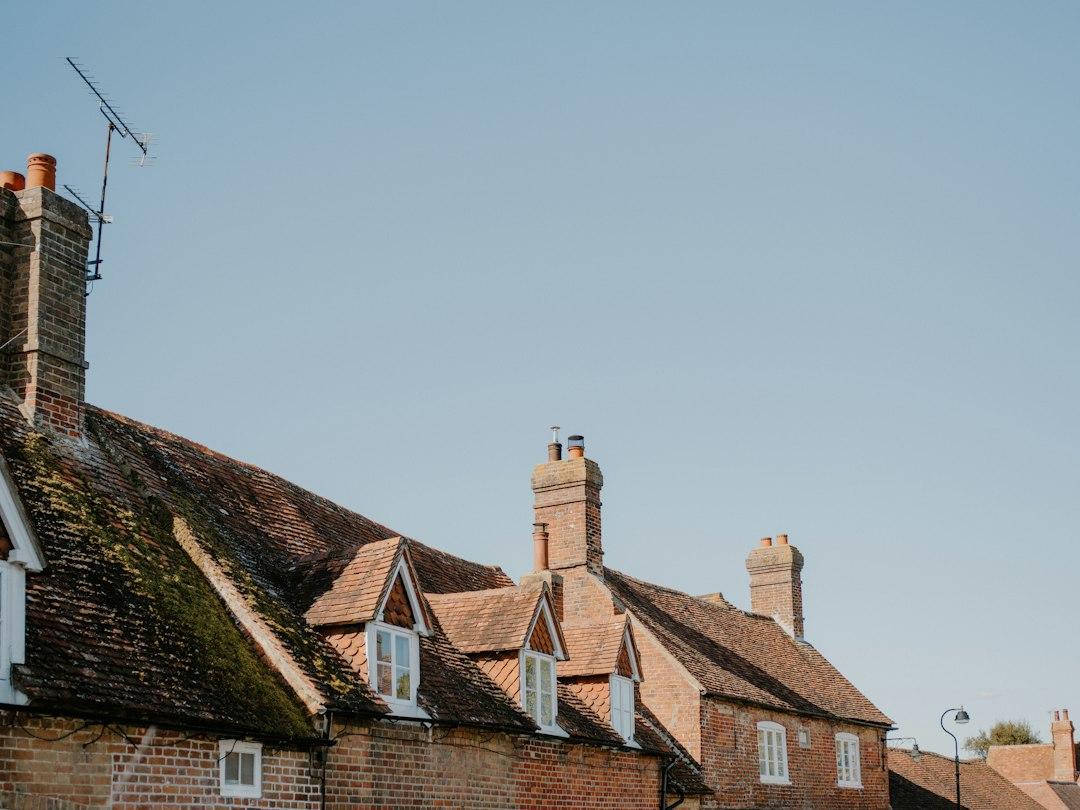
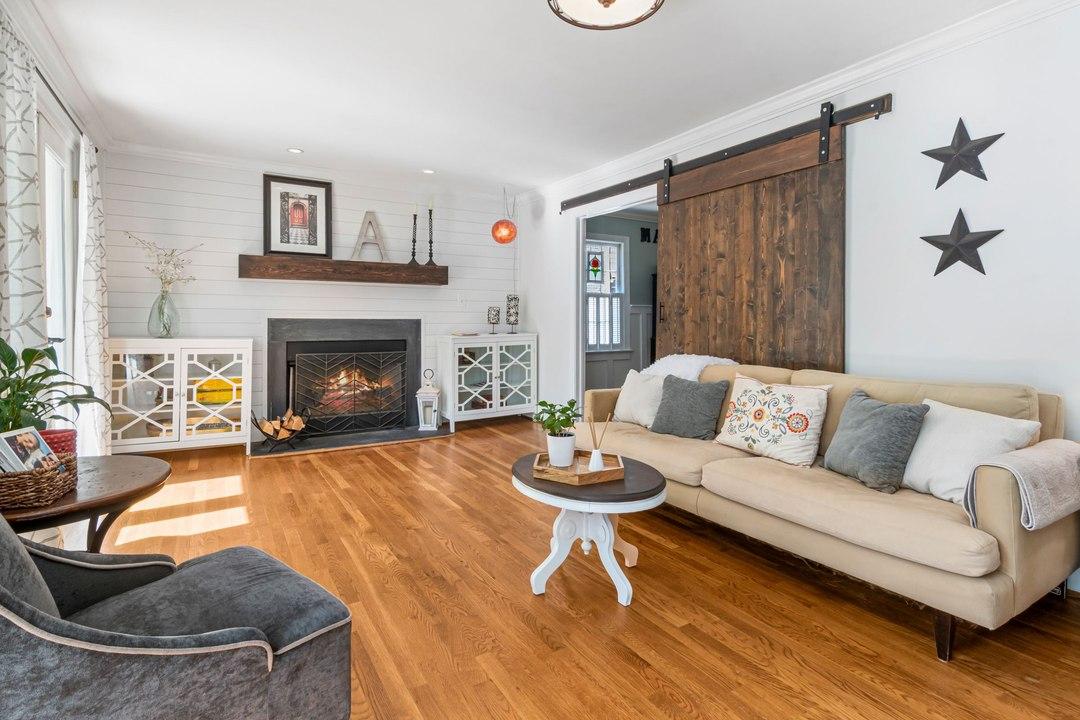
In a detached house the seller owns the whole chimney, top to bottom. In a condo or townhouse it is rarely that simple. The firebox sits inside the unit, the metal pipe climbs through a chase that is part of the building's exterior, and the top piece shares a roof with a dozen others. When a unit with a factory-built fireplace goes on the market in Whittier, the first useful question is who answers for each of those parts.
The CC&Rs of each complex decide it. They vary, but in the complexes around Whittier and La Mirada that we work in, the line tends to fall at the outside wall.
| Part | Usually belongs to |
|---|---|
| Firebox, panels, damper, doors, screen | Unit owner |
| Gas log set and the valve inside the unit | Unit owner |
| Pipe inside the chase, firestop spacers | Varies by complex |
| Chase walls, chase top, flashing | Association |
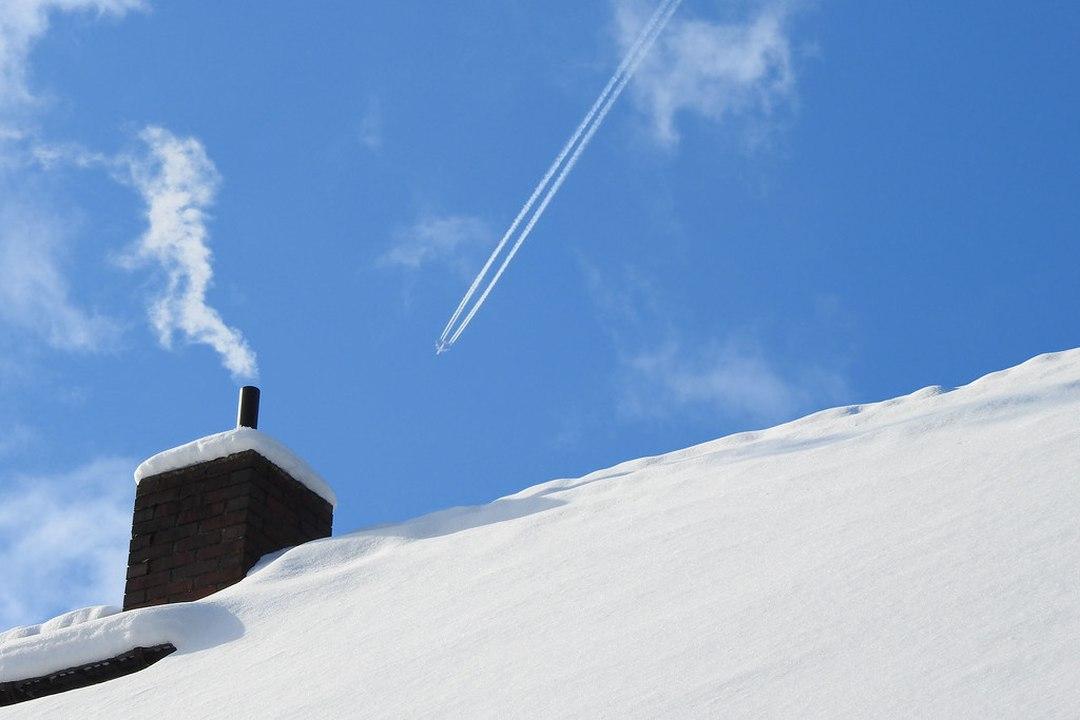
| Termination cap on the roof | Association, in most complexes |
Read your own documents, or ask the manager. Until you have, treat the table as a starting point.
Why the split matters in a sale
A buyer's report does not care who owns a part. It lists what is wrong. If the cap is rusted and the chase top is ponding, the buyer's agent will add them to a request for repair. A seller who does not own those parts cannot fix them without the association, and should not be asked to pay for them as if they were the unit's.
That is why our Level 2 for a unit sale marks each finding as likely the owner's or likely the association's, with the reason. The seller's agent can send unit items to the seller and roof items to the board, each with its own written price.
What the inspection covers on a unit
A sale calls for the deeper of the two common levels. On a prefab unit in a complex, that means:
- the rating plate found and read, so the model is on record
- panels, damper, doors and screen inside the unit
- the hearth area in front of the opening and the clearances to the mantel
- a camera through the metal pipe, looking for separated sections and damaged walls
- the chase top, cap and flashing from the roof
- any gas log set, and whether it suits the firebox
The Level 2 for one unit is $370. A visual check at $52 suits an owner who is staying put, not a sale.
Getting onto a shared roof
Most associations lock their roof access and want notice before anyone goes up. When the inspection is booked, we ask for the complex name and, if you have it, the management company, and we set up access with them. Inside the unit, someone with keys has to let us in: the owner, the listing agent or a tenant who has been told.
Stacked units bring one more wrinkle. The pipe from a ground floor fireplace can pass through the unit above. When a finding sits in a neighbour's ceiling space, the report says where and leaves access to the association.
Book a unit sale inspection and give the complex name, the unit and which side of the sale you are on. If you know the management company, include it so we can arrange the roof.
Findings we see on Whittier condo units
A short list turns up over and over on factory-built units in complexes:
- Panels cracked past the maker's limit. An owner item. Listed replacement panels, where the model is still supported.
- Damper that will not close fully. Owner item. Parts from the maker or an approved substitute.
- Gas logs in a box not listed for them. Owner item, and one buyers often ask to have fixed.
- Rusted chase tops and leaking flashing. Association items, often across a whole row of buildings.
- Caps missing or replaced with a masonry style top. Association in most complexes. On a listed pipe, a masonry style cap is a real finding.
- Rust on the firebox floor. Unit damage from a building problem. The report links the two so the board sees why the owner is asking.
Our post on chase top costs and the one on prefab caps cover the roof items in more depth.
For sellers: before you list
Book the Level 2 before the unit goes on the market and you learn the findings on your own schedule. You can fix the unit items, and if roof items show up, you can ask the board for its plan before a buyer asks you. A report that already shows the split is easier for a buyer's agent to accept than a surprise line in their own report.
For buyers: inside the contingency
Order the Level 2 early in escrow, alongside the other inspections. Ask the listing agent for the HOA documents at the same time. Once the report comes back, unit items go into your request to the seller; association items go to the board through the listing side, or into a credit if the timing is tight. Your agent knows what the contract allows.
Who receives the report
Whoever books names the recipients. A buyer usually adds their agent and sometimes the listing agent. A seller may add the association's manager so roof items reach the board without being retyped. Everyone listed gets the same report and photos.
Booking a unit inspection
The condo sale page has more on how unit sales work, and the HOA page explains what boards ask us for. The Level 2 page describes the inspection itself.
To set it up, go to the contact page, name the complex and unit, and say whether you are buying or selling. We handle the roof access with the association from there.
Want Us to Look at Yours?
Duffy Chimney Sweep reads the label on your firebox, checks the parts against it and writes a figure beside each repair. We work from Whittier into La Mirada, Downey, Bell Gardens and the other towns on our areas page.